
The Montgolfier brothers’ first hot-air balloon: a flight with animals
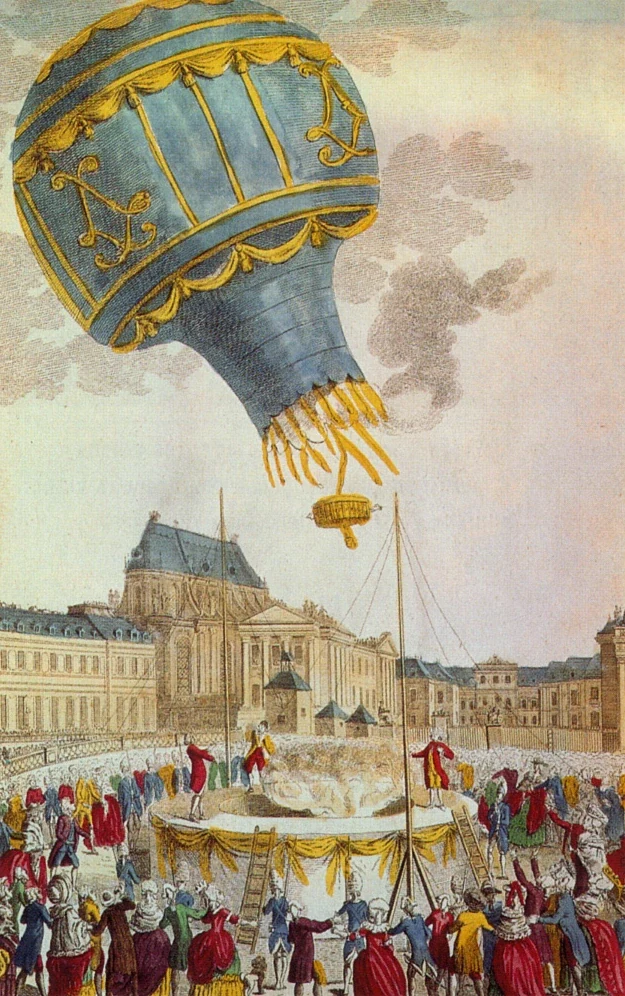
In 1783, brothers Joseph and Étienne Montgolfier worked out how to lift a huge balloon made of fabric and paper into the sky. They filled it with hot air: it is lighter than cold air and rises, carrying the balloon with it. The first tests went well. But could a balloon carry passengers? A sheep, a duck and a rooster were about to find out.
The animals were chosen for a reason. A sheep had never flown, so it was important to see how it would cope with a journey through the air. A duck was used to flying, while a rooster, although a bird, usually leaves the ground only briefly. No one was ready to send up a person yet: first they needed to make sure the flight was safe.
On 19 September 1783, the unusual team was brought to Versailles. A huge crowd gathered to watch, including King Louis XVI and Marie-Antoinette. Above the basket of animals stood a blue balloon with golden decorations. It was filled with hot air and released — and the three passengers rose above the trees and the palace rooftops!
The flight lasted about eight minutes. The balloon travelled roughly three kilometres and came down to earth. All three animals survived! The test showed that a hot-air balloon could not only rise into the air but carry living passengers too.
Just two months later, people climbed into the basket: Pilâtre de Rozier and the Marquis d’Arlandes. They made the first free flight in a hot-air balloon, without a rope holding it to the ground. Balloons lifted by hot air are still called montgolfières in French, after the brothers who invented them.
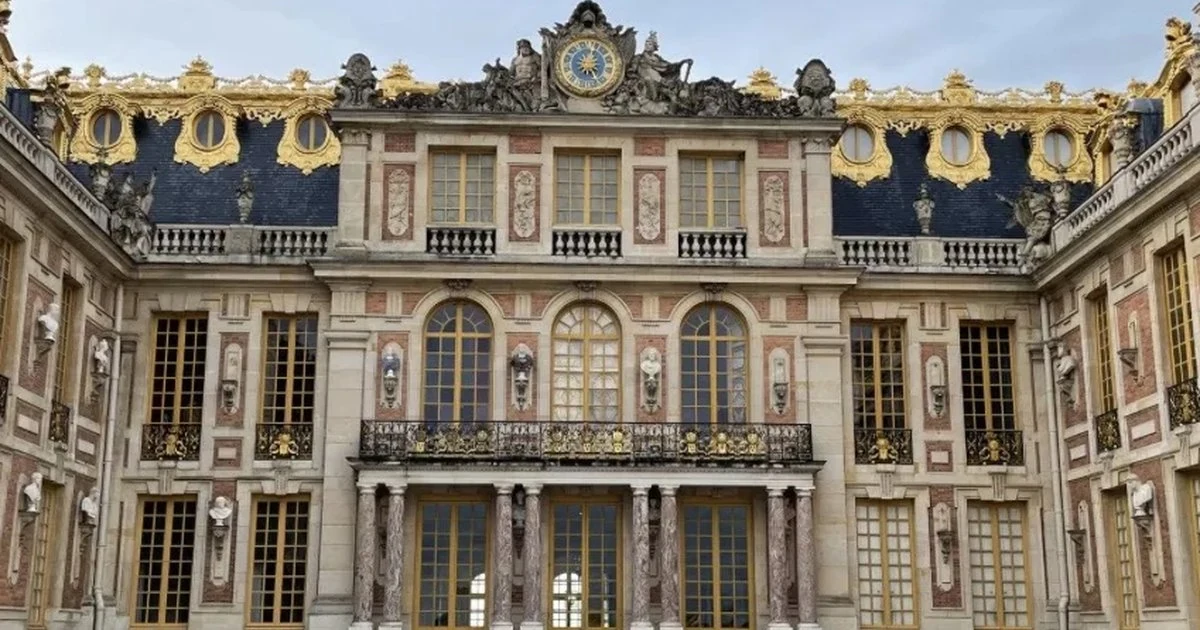 Versailles: the hunting lodge that became a palace
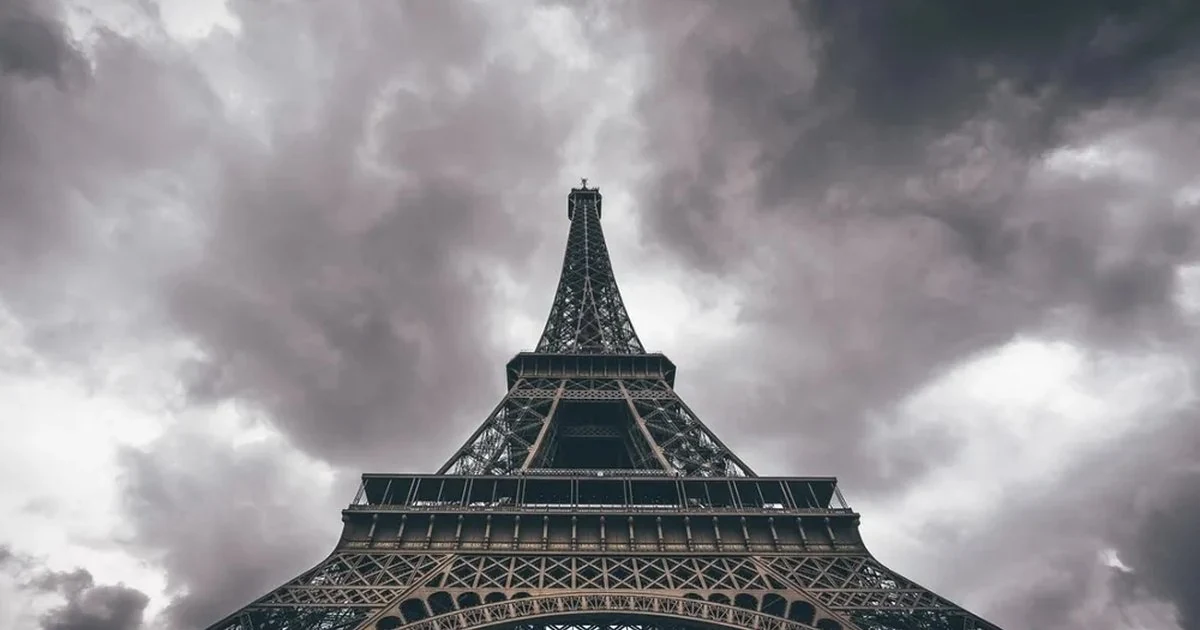 The tower they wanted to pull down
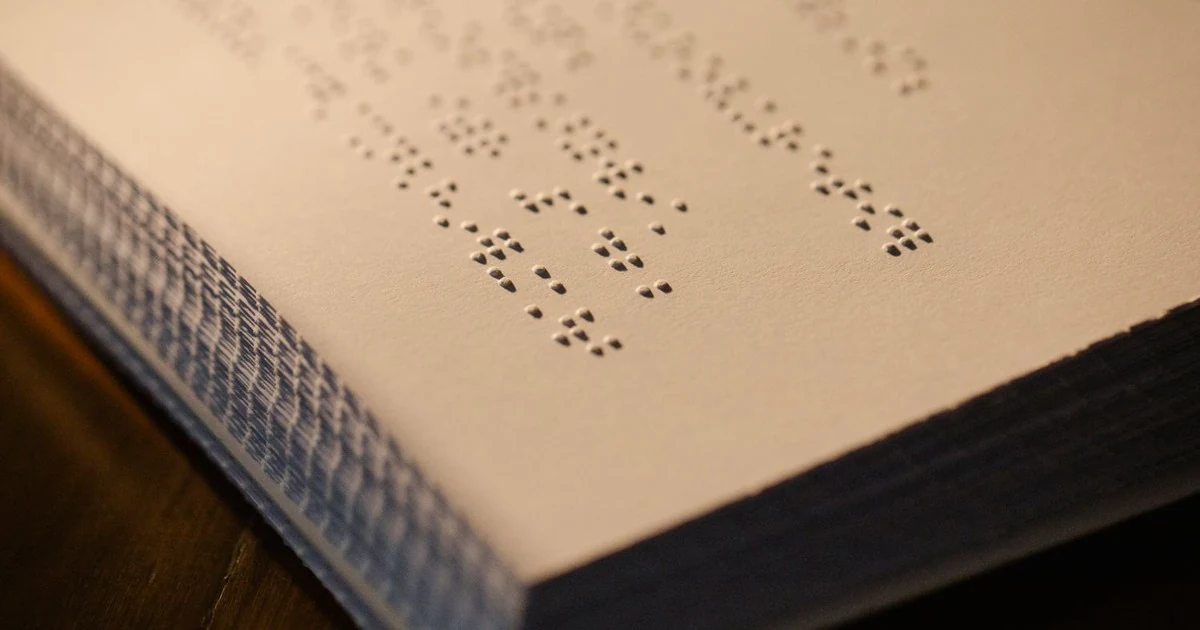 Louis Braille: the boy who invented reading with your fingers
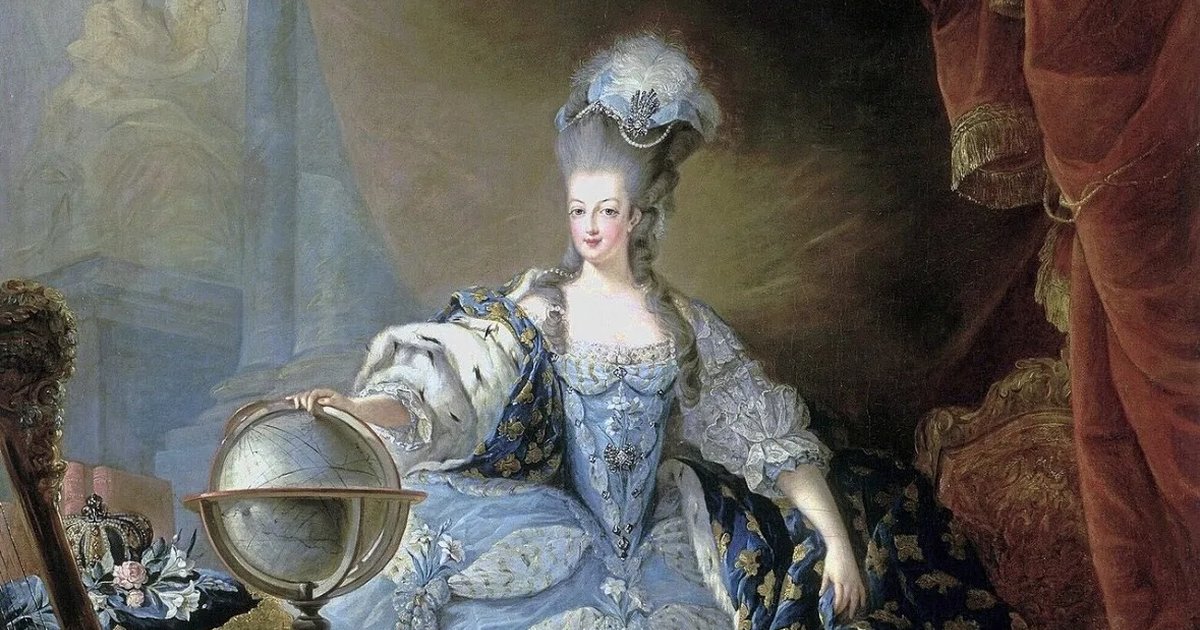 Marie Antoinette: the fashion queen