
The elephant of the Place de la Bastille
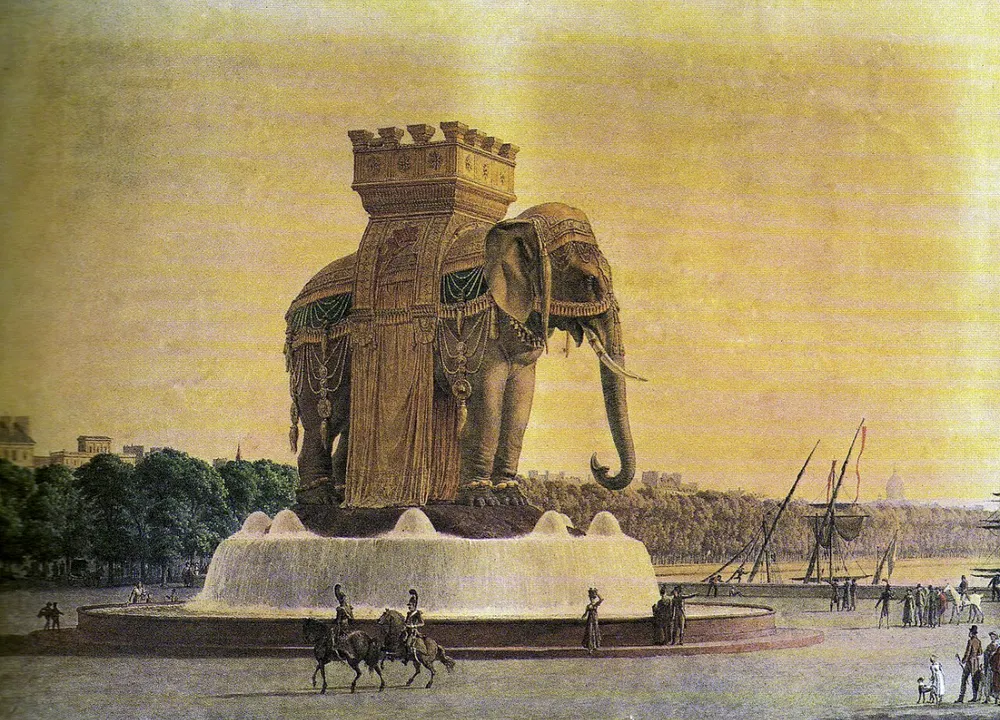
If you go to the Place de la Bastille in Paris today, you will see a tall column with a golden figure on top. But two hundred years ago, something else stood here… a giant elephant!
It all started with Napoleon. In 1808 he decided to decorate Paris with an unusual fountain: a bronze elephant with water pouring from its trunk. The elephant was to be cast from cannons captured from enemies. A small tower would stand on its back, with a staircase inside leading up to it.
First, to see what it would look like, the architect built a full-size model out of wood and plaster. The elephant was almost as tall as a seven-storey building! Parisians came to look at it in amazement.
But the bronze elephant was never made. Napoleon lost the war and his power, and the fountain was forgotten. The plaster elephant was left standing alone in the square. Years went by. Rain washed away the plaster, the paint peeled, and rats moved in. The neighbours complained that the elephant had become a ruin.
But the writer Victor Hugo loved it. In his novel Les Misérables, he made it the home of Gavroche, an orphan boy. Gavroche lived in the elephant’s belly as if it were a house, and even brought two little boys there to keep warm.
In 1846 the elephant was taken down. By then a new monument already stood in the square: the July Column, in memory of the 1830 revolution. All that is left of the giant elephant are drawings, stories and the pages of Victor Hugo’s book.
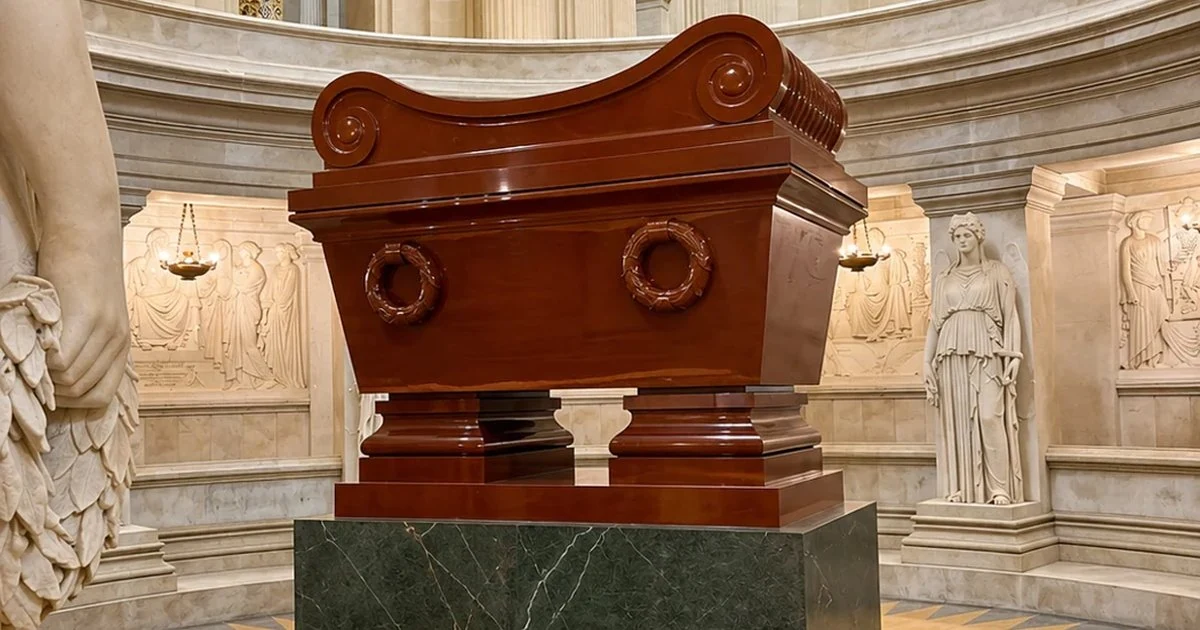 Napoleon’s tomb
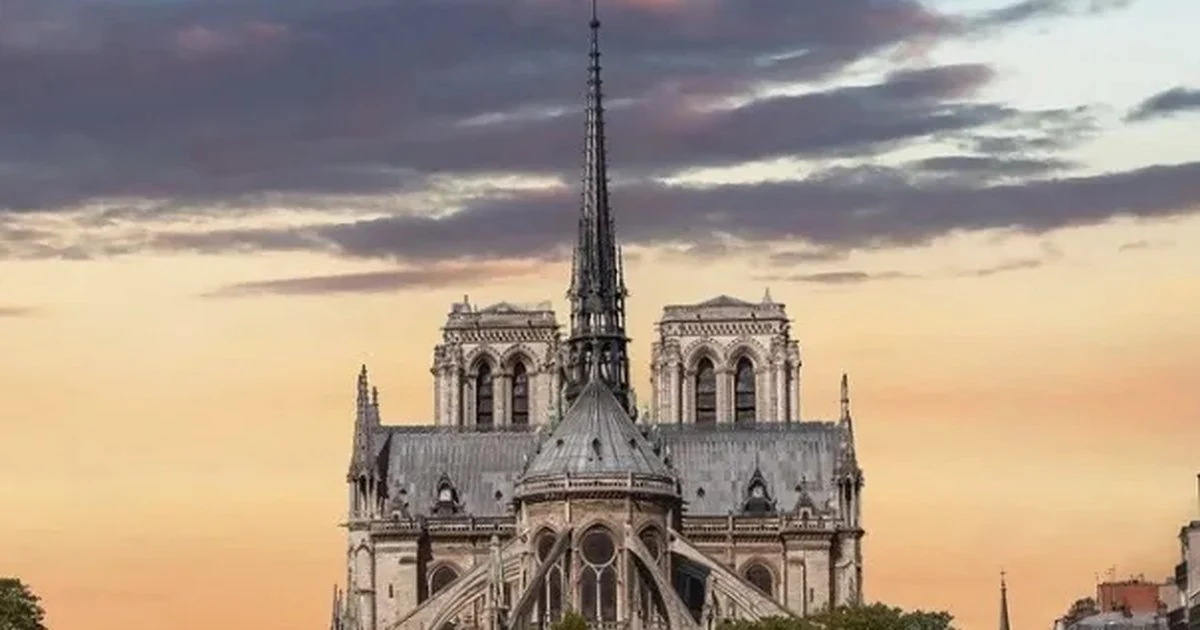 Notre-Dame: fire and rebirth
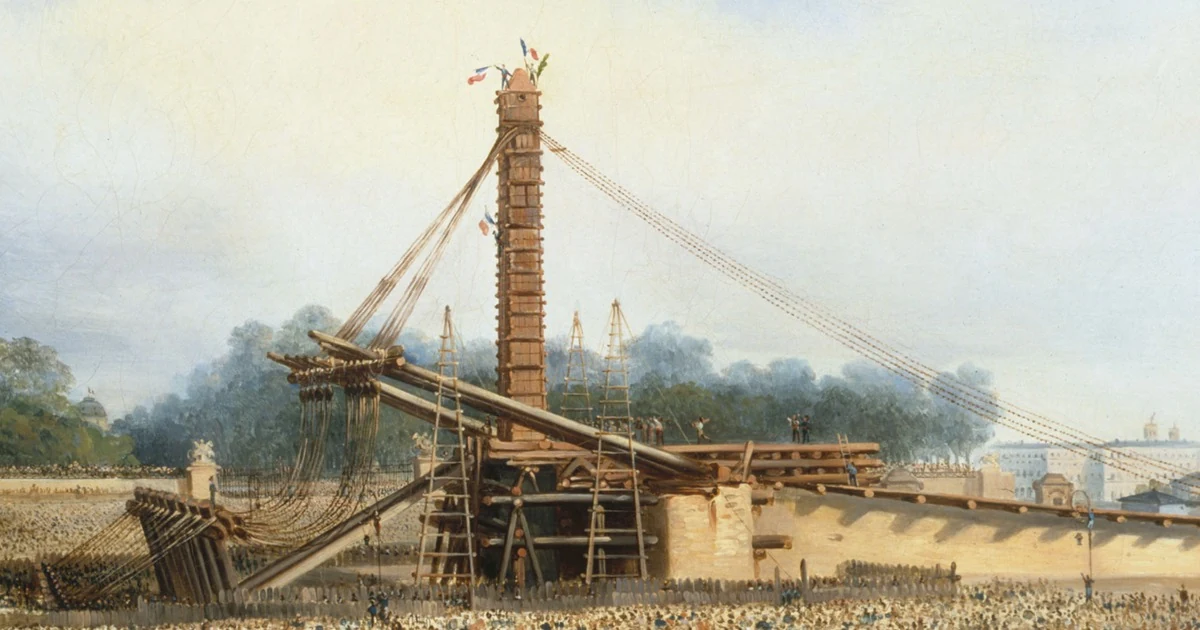 The Luxor Obelisk
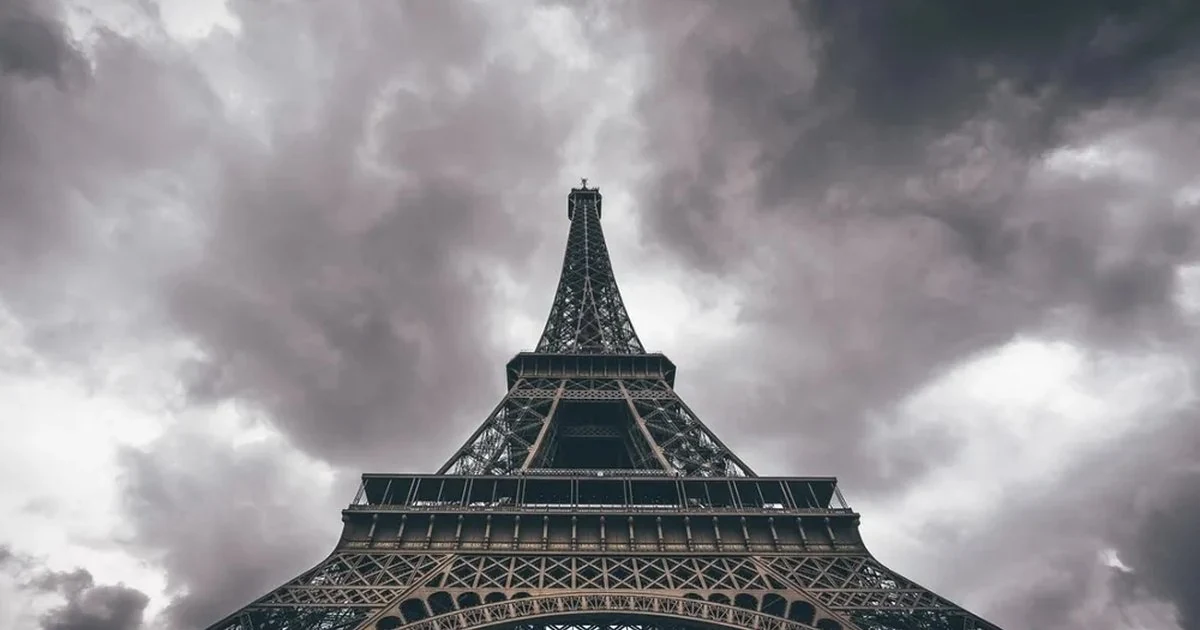 The tower they wanted to pull down