
Napoleon’s tomb
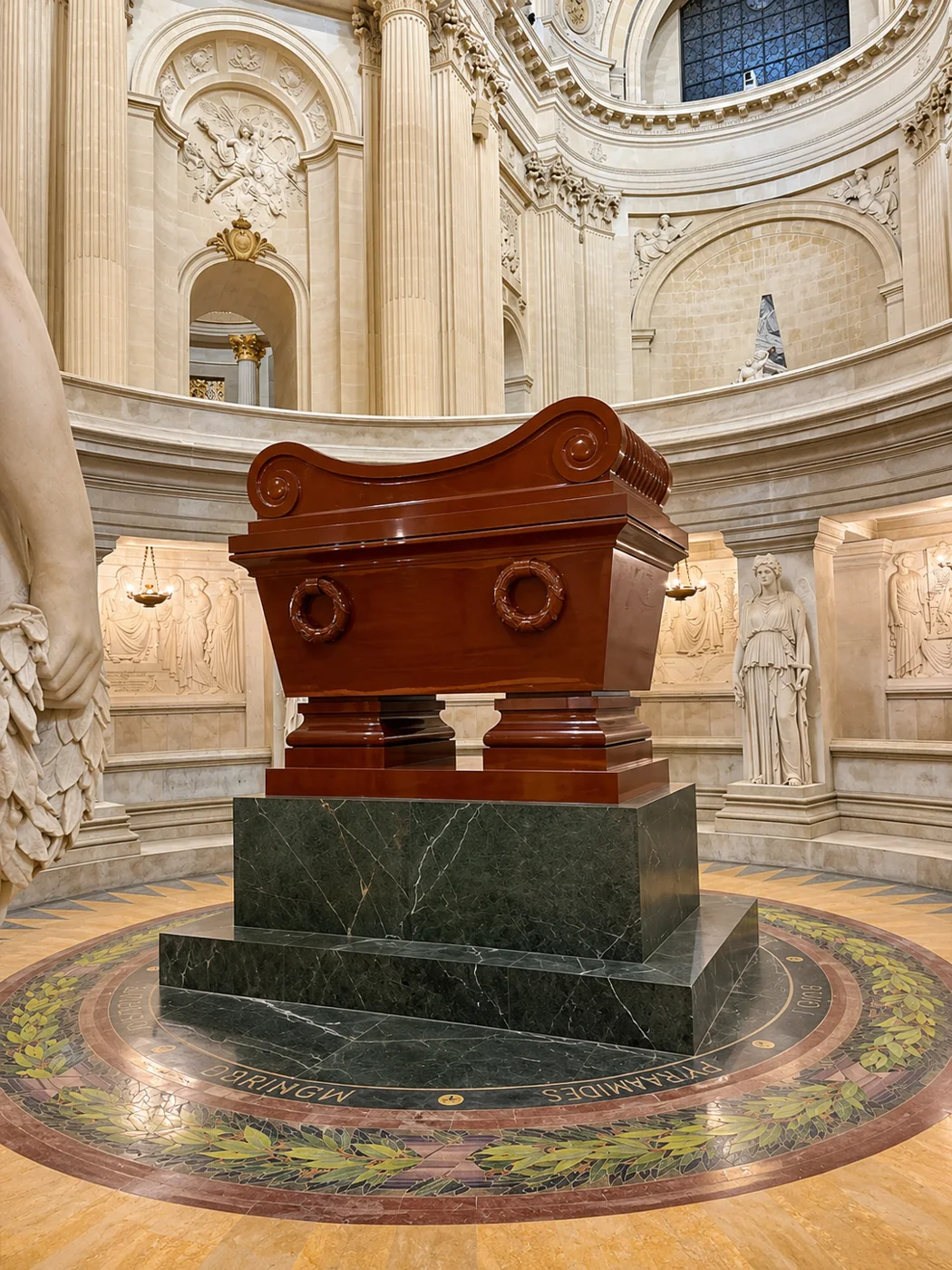
Everyone knows Napoleon: the little emperor in a bicorne hat who won dozens of battles. He spent his last years in exile on Saint Helena, a faraway island in the middle of the ocean. He died there in 1821 and was first buried there, under willow trees by a stream. But Napoleon dreamed of something else: he wrote that he wanted to rest “on the banks of the Seine”, among the French people he loved so much.
Twenty years later, the French king Louis-Philippe decided it was time to bring the emperor home! He sent his own son to fetch him on a ship called the Belle-Poule. But where should Napoleon be buried? The king thought about the Panthéon and even the Arc de Triomphe, but he chose Les Invalides — the home of old soldiers who had once fought alongside the emperor. When the coffin arrived in Paris, it is said that a million people came out into the streets.
But the tomb wasn’t ready yet, and it took another twenty years to build! Only in 1861 was Napoleon placed in a huge sarcophagus under the golden dome of Les Invalides. His body lies in five coffins, one inside another, like nesting dolls: made of tin, mahogany, two of lead, and ebony.
The tomb stands in a round pit six metres deep, with no roof. To see the sarcophagus, visitors walk up to the railing and look down — as if they were bowing to the emperor. Around it stand twelve white marble statues called “Victories”, and the names of Napoleon’s winning battles are set into the floor.
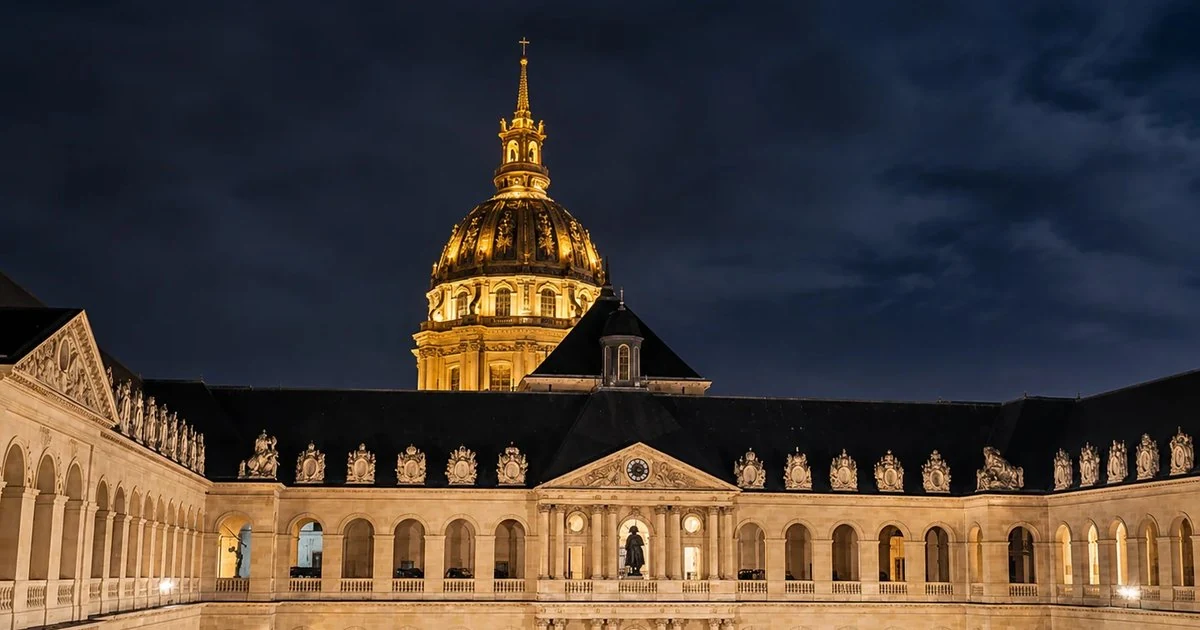 Les Invalides: a palace for soldiers
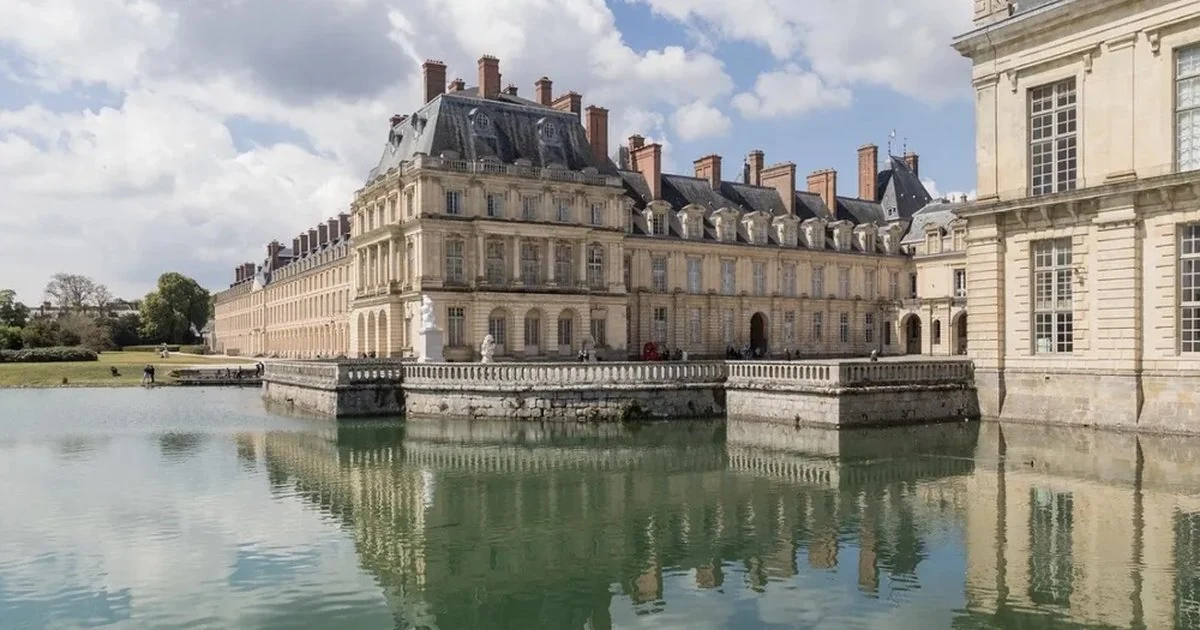 Fontainebleau: the home of kings
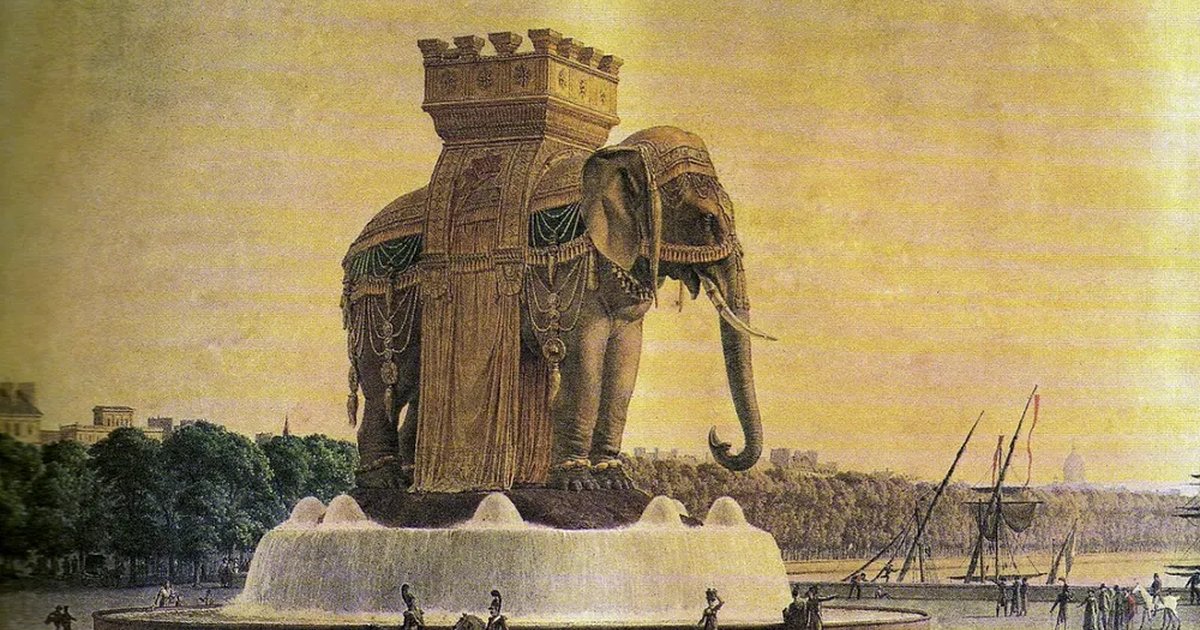 The elephant of the Place de la Bastille
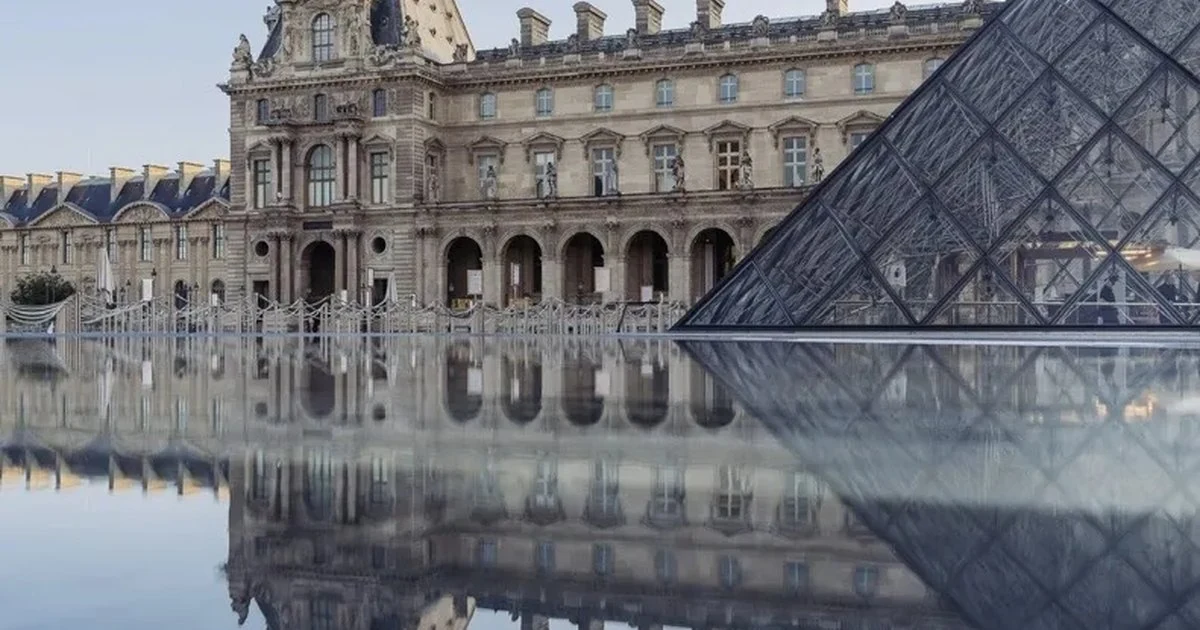 The Louvre: fortress, palace and museum